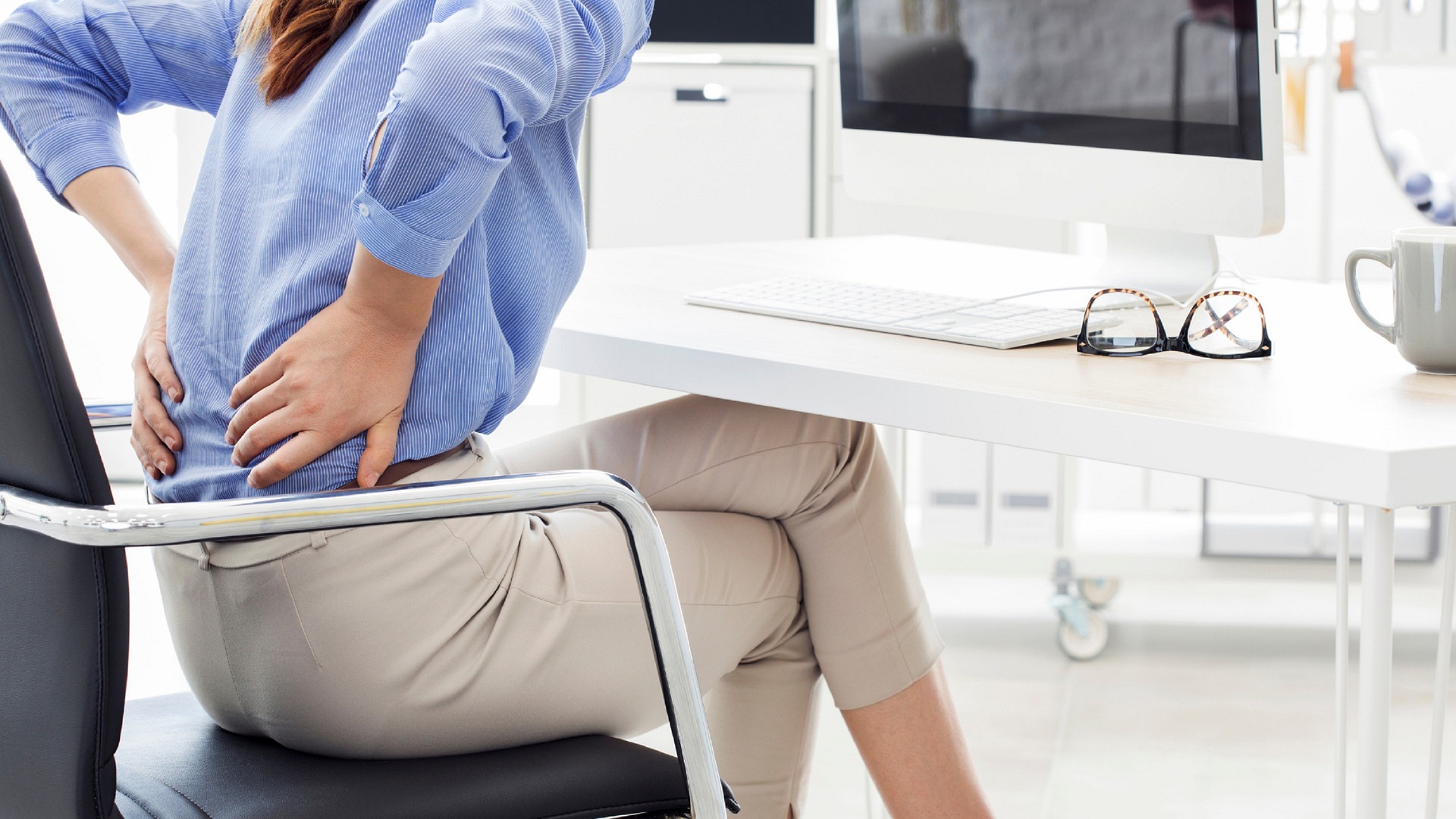
Back pain at the office?
PostureShift times your switches between different seated, floor, and standing positions at the office and in the car — with adjustable intervals, a freely extendable posture database, and gentle reminders. The solution isn't one particular position, but changing position regularly.
PostureShift is a movement and reminder tool and does not replace medical advice, diagnosis, or treatment. If you have persistent discomfort, please consult a qualified professional.
The background
"Sitting is the new smoking" has become a catchphrase — and there really is some research behind it. But a closer look at the key sources also shows: it's not about banning sitting altogether, but about how we sit and how often we change position.
This association held true regardless of how physically active people otherwise were in their leisure time. Regular breaks from sitting therefore appear to have an effect of their own, one that leisure-time exercise alone does not offset.
The difference lies not in the duration but in the posture. Resting positions such as deep squatting or kneeling keep the leg and core muscles noticeably more active than sitting in a chair does. The authors call this the "Inactivity Mismatch Hypothesis": our bodies are evolutionarily adapted to varyingly active resting postures — not to sitting motionless in one and the same position for hours on end.
From deep squatting among many African and Asian ethnic groups to distinct kneeling-sit forms such as among the Ainu in Japan or the sitting habits of North American peoples such as the Kaska in Canada. By comparison, the office chair as we know it is a young and relatively one-sided invention.
It becomes a problem mainly when a single position is held for very long stretches without interruption.
Relax a little about sitting. Yes, it's good not to sit all day. It's good to move — but we shouldn't scare people about something as natural and normal as sitting. — paraphrased from Daniel Lieberman, "Exercised" (2021)
That balance is exactly the idea behind PostureShift: not prescribing one single "correct" posture, but regularly switching between differently active positions — at the pace and with the positions that fit your everyday life.
Sources
Katzmarzyk PT, Church TS, Craig CL, Bouchard C (2009): „Sitting Time and Mortality from All Causes, Cardiovascular Disease, and Cancer." Medicine & Science in Sports & Exercise 41(5). Pennington Biomedical Research Center, Auswertung der Canada Fitness Survey (n ≈ 17.000).
Raichlen DA, Pontzer H, et al. (2020): „Sitting, squatting, and the evolutionary biology of human inactivity." PNAS 117(13). pnas.org/doi/10.1073/pnas.1911868117
Hewes GW (1955): „World Distribution of Certain Postural Habits." American Anthropologist 57(2).
Lieberman DE (2021): „Exercised: The Science of Physical Activity, Rest and Health." Pantheon Books.
The solution
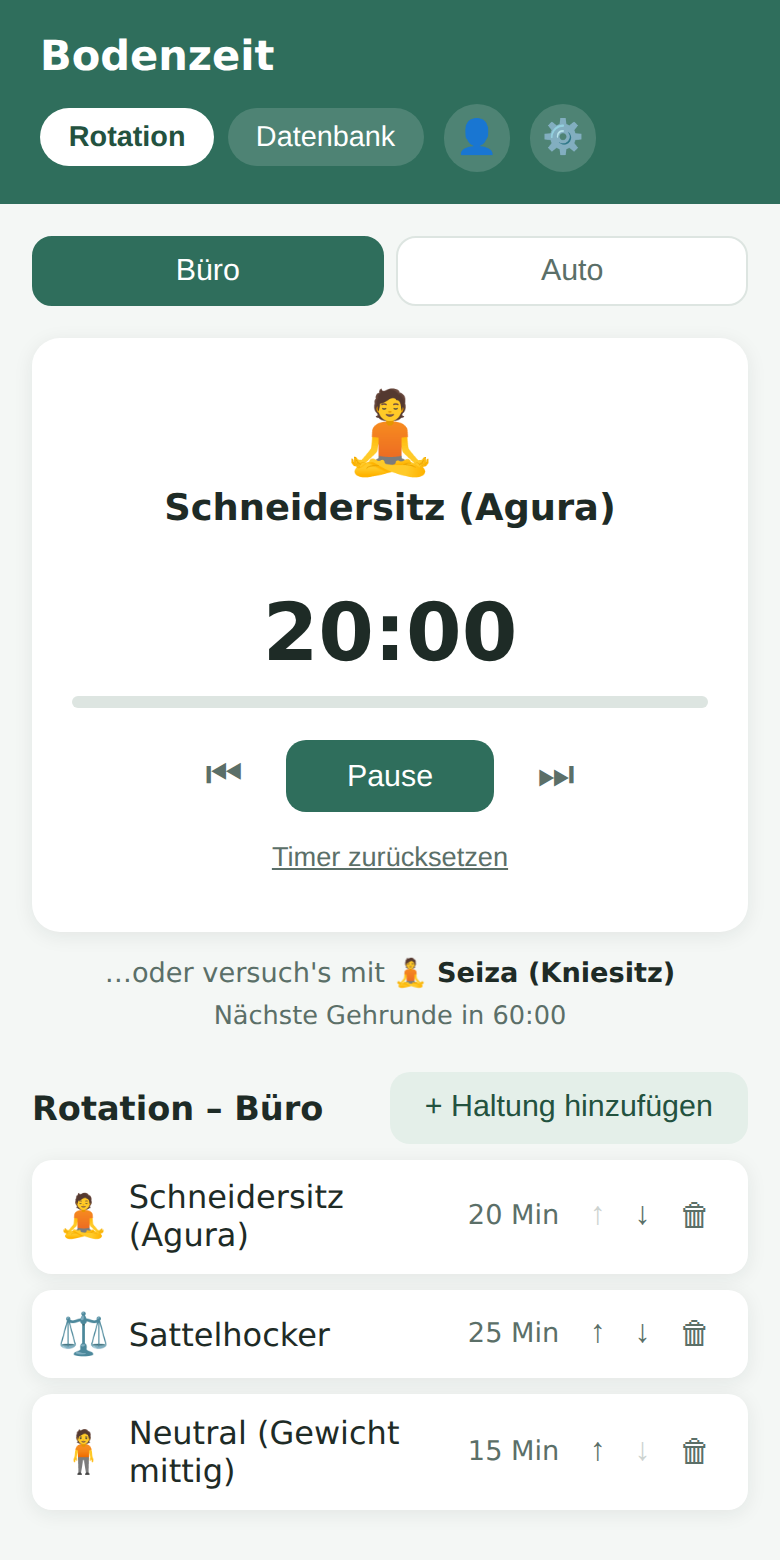
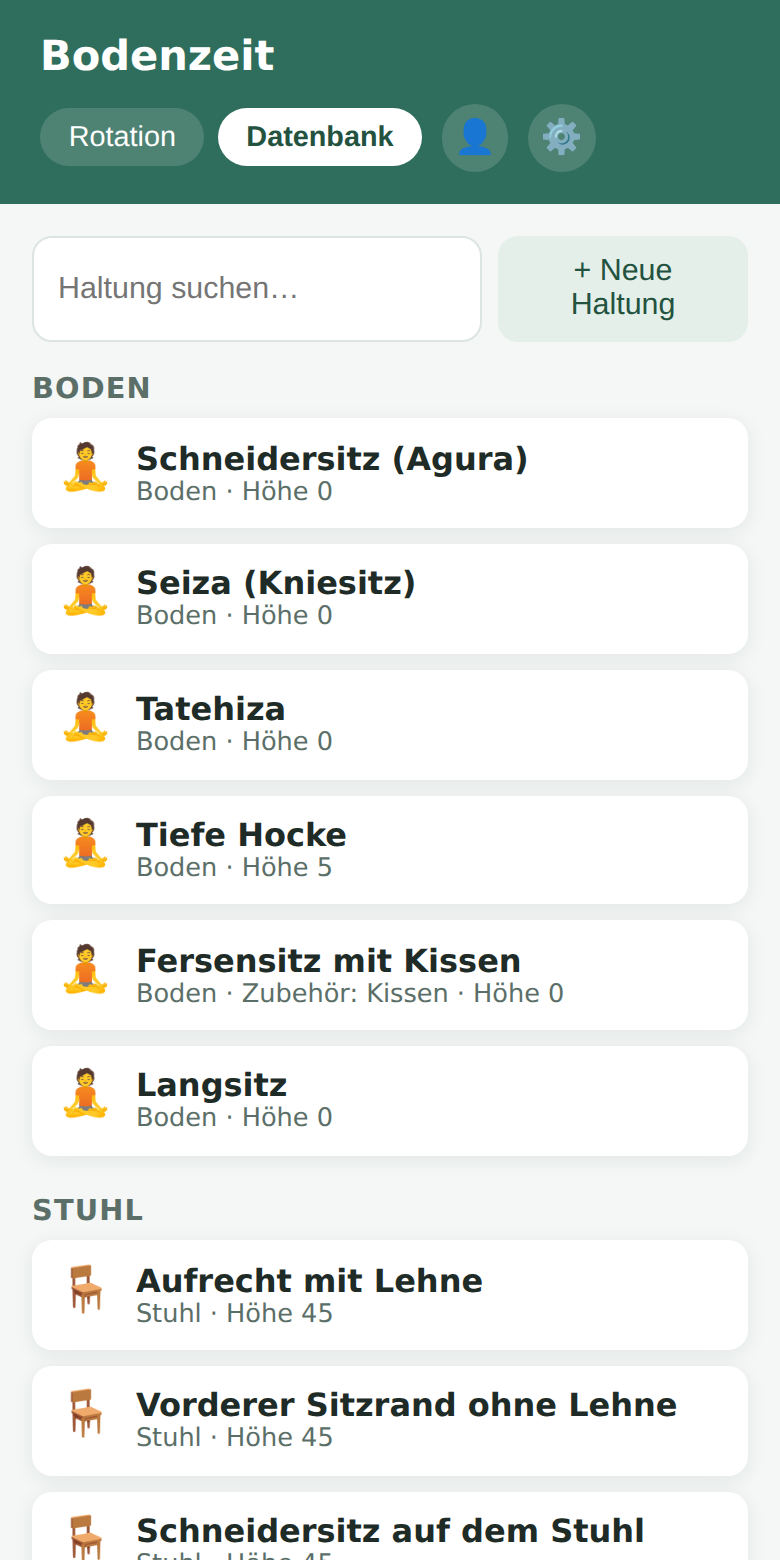
The core idea isn't one particular posture, but the timed switching between several. PostureShift gives you a freely extendable posture database and lets you build your own rotation from it — matched to your actual office setup.
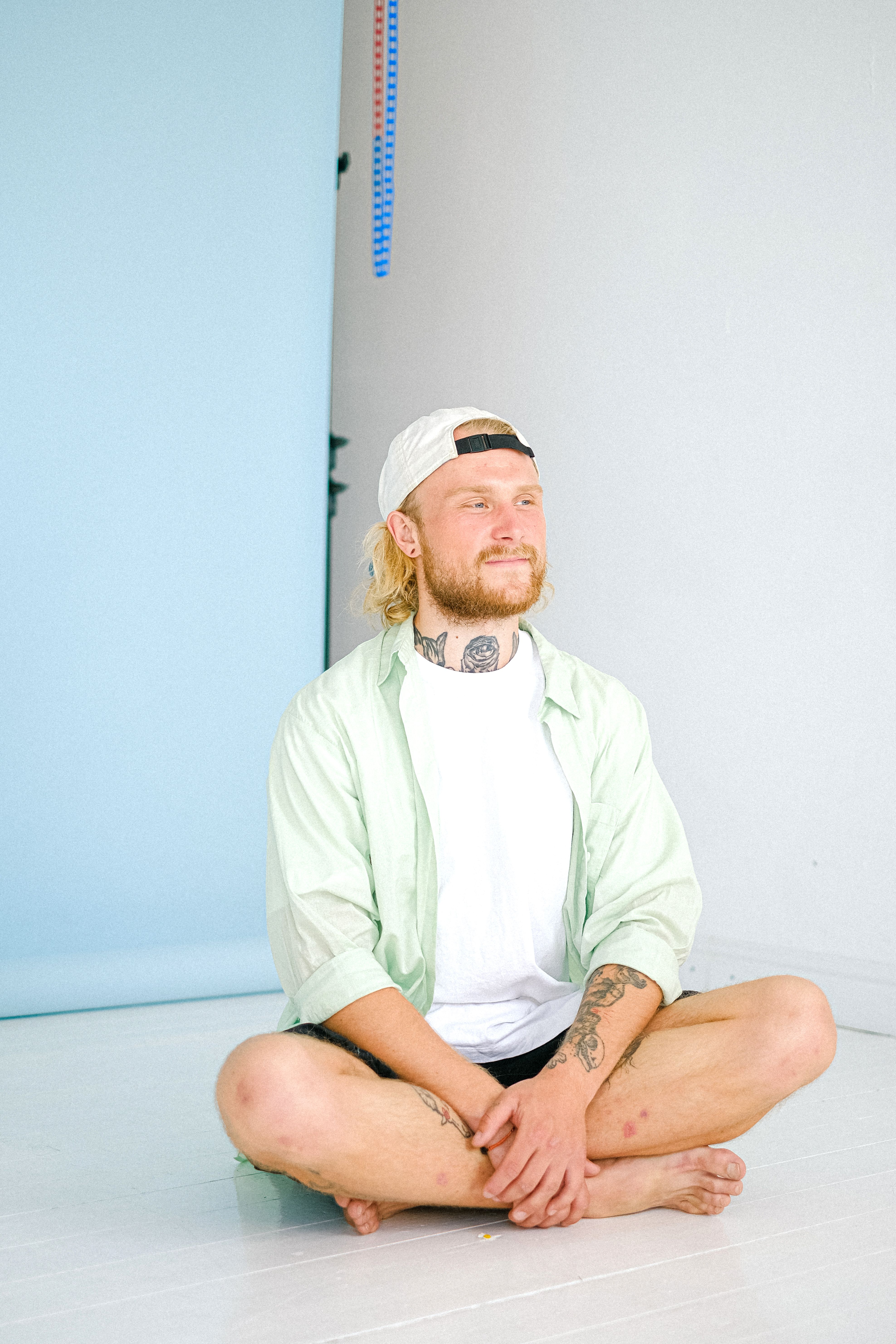
Cross-legged sitting, kneeling ("seiza"), and other floor positions activate leg and core muscles the most — the posture that scores best in the research.
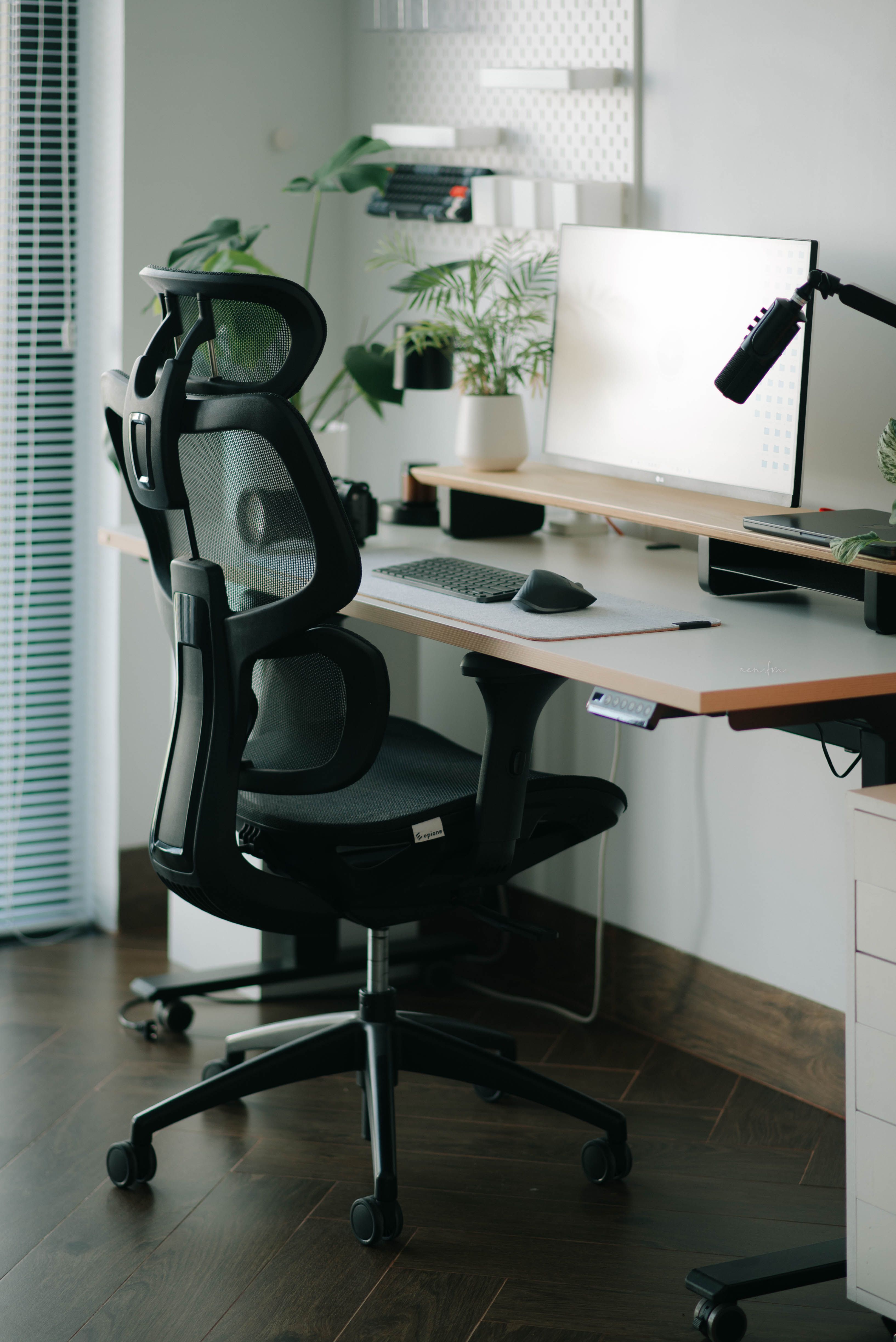
Ordinary sitting stays part of the rotation — what matters is that it isn't the only position for hours on end.
Saddle stools, wobble stools, and other active seating keep your core muscles engaged even while sitting.
At a standing desk or for a short walk in between — no standing desk required.
Floor sitting scores best in the research — that's why we highlight it. But not everyone can or wants to do that at the office: clothing, space constraints, colleagues, or the furniture situation often set limits. That's why PostureShift works just as well with a rotation made up solely of chair, bar stool, and standing — the switching itself is the decisive factor, not any one particular position.
Floor, chair, bar stool, active seating, standing, car — pre-filled and freely extendable with your own postures.
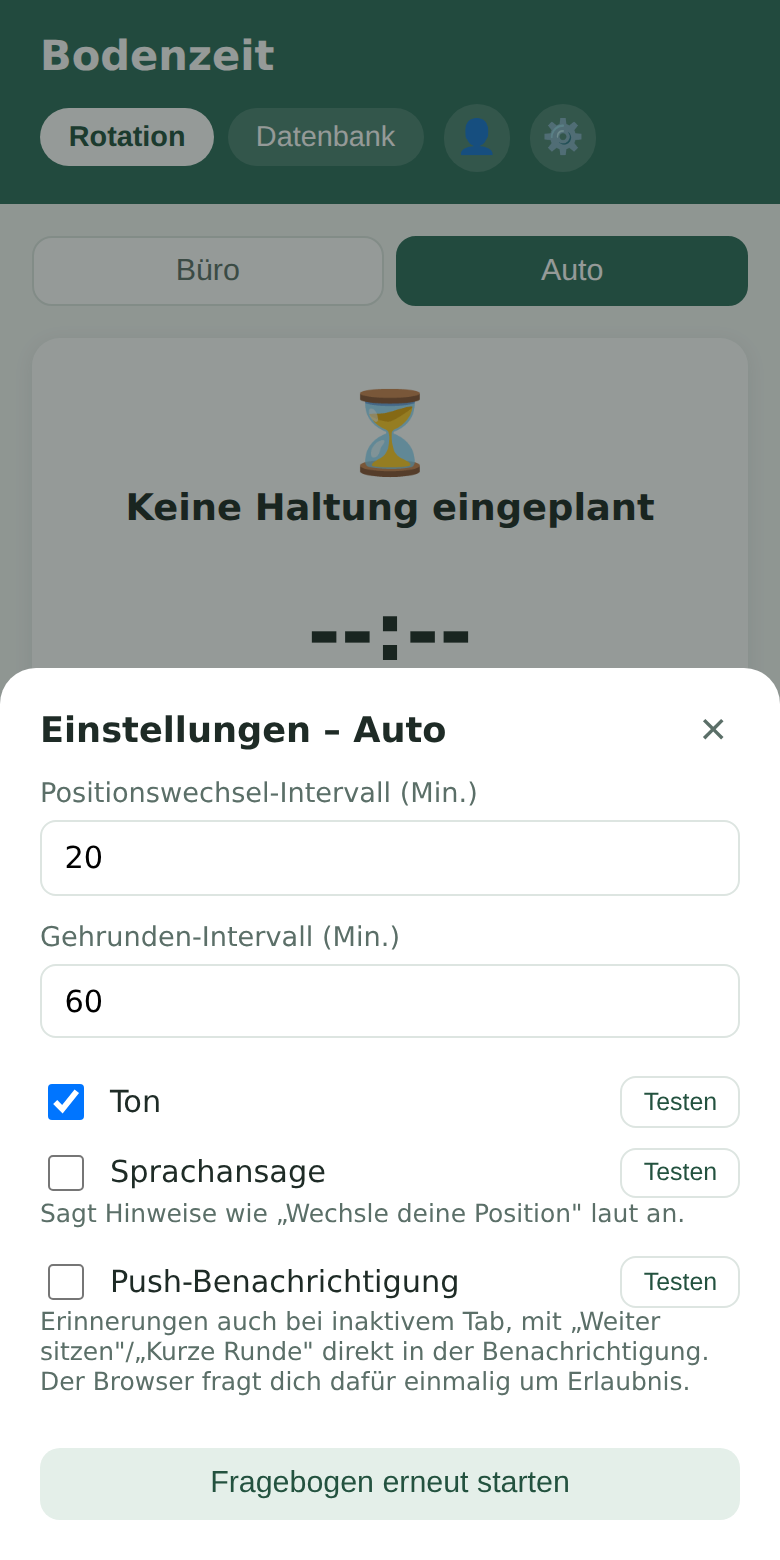
A position timer for switching posture, and a walk timer for a short break in between — both independently adjustable.
Three notification channels, each toggleable on its own — including action buttons right inside the push notification.
Two independent rotations, each with its own timer, its own settings, and its own onboarding questionnaire.
PostureShift runs entirely locally on your device — usable without any account at all.
With a free account (login via magic link, no password), your rotation syncs across devices.
Advertisement
PostureShift is free, runs right in your browser, and can be installed as an app.
Start free nowSupport
The app is free and will stay that way. If you'd still like to support its development, you're welcome to do so voluntarily — with nothing expected in return.